Many people use Spotify not only to listen to music online, but also to play local files. A common question is: Are there ads when listening to local files on Spotify?
The answer is simple, but there are some details worth noting. In this guide, we will explain how Spotify’s ads work, how local files are handled, and what you might encounter during playback, including how features differ across versions like spotify premium 2026 apk, which can influence whether ads appear and how smoothly local tracks integrate into your listening experience.
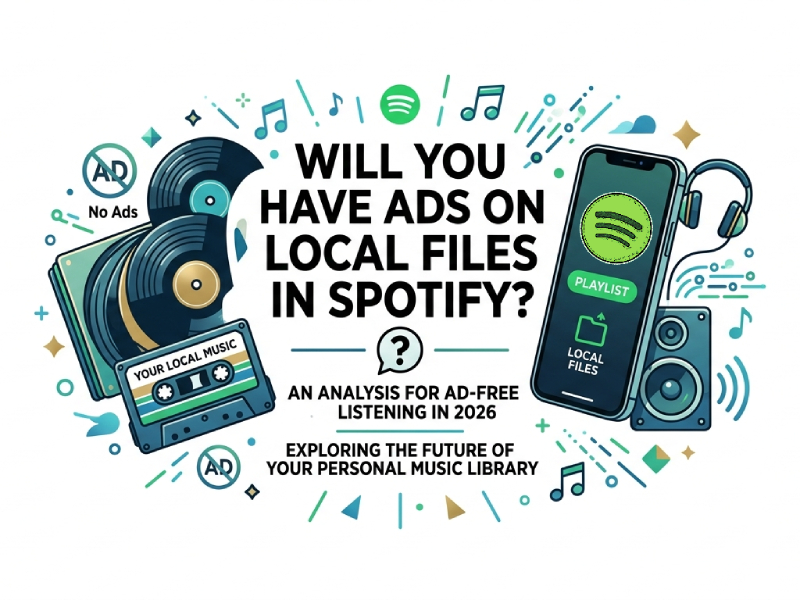
What Are Local Files in Spotify?
Local files in Spotify are audio files that you already have on your device, instead of songs streamed from Spotify’s online library. These files stay on your phone or computer and are played directly from your storage.
Common types of local files include:
- MP3, M4A, or other audio formats saved on your device
- Songs you downloaded from other platforms
- Music ripped from CDs
- Audio recordings or podcasts saved offline
To use local files, you need to enable the “Local Files” option in your Spotify settings. Once enabled, the app will scan your device and display these files in your music library. You can play them like regular songs, add them to playlists, or organize them in your own way.
Local files are very useful when a song is not available on Spotify, or when you want to keep all your content in one app. For example, you may have some rare tracks, remixes, or personal recordings that cannot be found online, and many users discussing spotify premium reddit also mention how local files help fill these gaps and improve their overall listening experience.
On some devices, especially when using a computer and a mobile phone at the same time, you may need to sync local files. This typically requires both devices to be connected to the same Wi-Fi network so that files can be transferred correctly.
In short, local files make Spotify both a streaming service and a simple music player, giving you greater control over what you listen to.
Do Local Files Have Ads?
Generally speaking, local files do not contain advertisements. When you play songs stored on your device, Spotify works like a simple music player. It reads the file and plays it as is, without making any modifications to the audio. This means the song will sound exactly the same as it would on any other player on your phone or computer.
It is very important to understand the difference between audio files and application environments. Although local files do not contain ads, ads may still be displayed or played on the Spotify platform if you are using the free version, including versions like a Spotify APK that run outside official app stores. These ads aren’t part of the song itself, but rather part of how the app works, meaning the listening experience depends more on the app version and account type than on the audio file you are playing.
For example, if you play local files continuously, you may still hear ads after playing several songs. This does not mean that the file contains advertisements. This simply means that Spotify will insert ads during playback, just like it does with streaming music.
The local files remain clean and lossless, but depending on your account type, ads may still appear in your listening experience.
When Ads May Still Appear
Even though local files do not have ads inside them, ads can still show up around your listening session.
1. Between Tracks
If you mix local files with online songs in a playlist, Spotify may play ads between tracks. These ads are part of the free service, not the local file.
2. During App Use
Spotify may show banner ads or play short audio ads while you browse or switch songs. This can happen even if your current track is a local file.
3. Background Activity
Sometimes, ads are triggered by the app’s normal behavior, not by the music you are playing. This means you might hear an ad after a few songs, even if one of them was local.
What About Spotify Premium?
With Spotify Premium, the listening experience is much smoother compared to the free version, which is why some users also look for options like spotify mod latest version working to avoid interruptions. The biggest difference is that all ads are removed, so you will not hear audio ads or see banner ads while using the app, allowing for a more seamless and enjoyable music experience.
This also applies when you play local files. Since Premium removes ads from the whole app, your local tracks will play without any interruptions between songs. You can switch between local files and online tracks freely, and everything will feel consistent.
Another benefit is on-demand playback. You can choose any song you want, skip tracks without limits, and control your playlist more easily. This is useful if you mix local files with streamed music.
Premium also supports offline listening. While local files are already stored on your device, you can download your online songs as well. This lets you build a full playlist that works without an internet connection.
In addition, Premium often provides better audio quality, which can improve your listening experience, especially if you use headphones or speakers.
Benefits of Using Local Files
Using local files on Spotify has a few clear advantages:
- You can play songs that are not available on Spotify
- No ads inside the actual audio files
- Full control over your music library
This makes local files a good option if you want a more personal music collection.
Tips for a Better Experience
To get the most out of local files on Spotify, a few small habits can make a clear difference.
Try to organize your local files before importing them. Make sure the file names, artist names, and album info are correct. This helps Spotify display your music properly and makes it easier to search later.
Create separate playlists for local files. If you keep local songs in their own playlist, you can listen without mixing them with online tracks. This can reduce interruptions and give you a more consistent playback flow.
It also helps to keep your devices in sync. If you use Spotify on both your computer and phone, make sure they are connected to the same network when adding local files. This allows your songs to appear and play smoothly across devices.
Another useful step is to download your local playlists for offline use. This can improve playback stability, especially if your internet connection is not strong. Even though the files are local, syncing them properly can avoid playback issues.
You should also check your app settings from time to time. Turning off features you don’t need, like autoplay or background data use, can make the experience more focused and reduce unwanted interruptions.
Finally, keep your music app updated. New updates often improve how local files are handled, fix small bugs, and make playback smoother.
Common Questions About Local Files and Ads
Many users still have small doubts when using local files in Spotify. Here are a few common questions with simple answers.
Do local files skip ads completely?
Not always. The files themselves do not include ads, but the app may still play ads if you are using the free version.
Can you play only local files to avoid ads?
If you create a playlist with only local files, you may reduce interruptions. However, the app can still show ads during normal use.
Do local files work offline?
Yes, once your files are added to Spotify, you can play them without an internet connection. This is useful if you want to save data.
Are local files different from downloaded songs?
Yes. Downloaded songs come from Spotify’s library, while local files come from your own device. Both can be played in the app, but they are managed differently.
Why are some local files not showing?
This can happen if the file format is not supported or if the app has not synced properly. Refreshing your library or checking file settings can help.